Nieuws

Why is my oil-immersed transformer overheating?


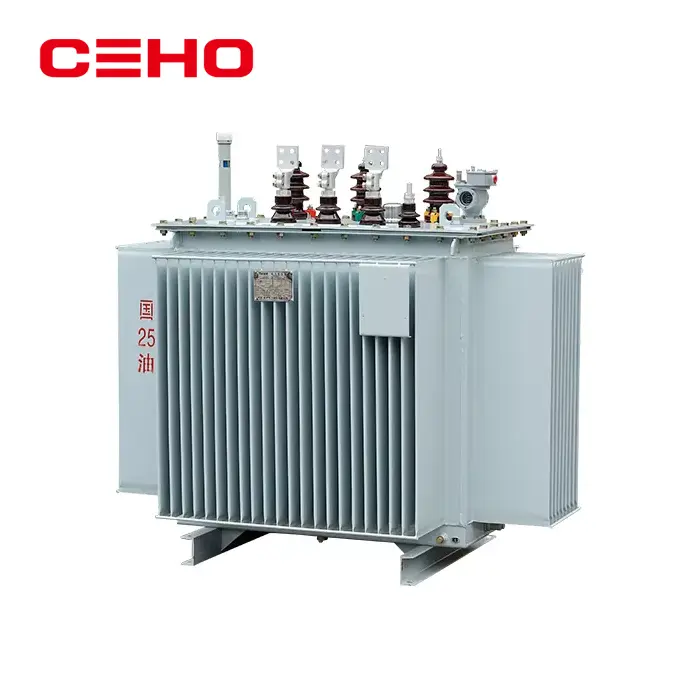
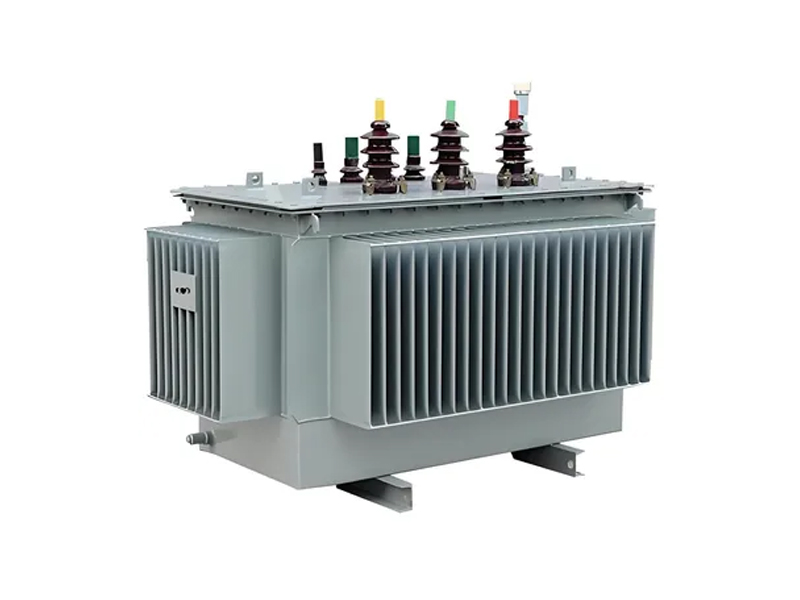
As the core equipment of the power system, the operating status of oil-immersed transformers is directly related to the safety and stability of the power grid. However, in actual operation, transformer overheating is a common abnormal phenomenon that requires high vigilance. If the cause is not identified and dealt with in time, it will not only accelerate the aging of the insulation material and shorten the life of the equipment, but in severe cases may even cause catastrophic accidents such as fires or explosions. The causes of transformer overheating are complicated and can usually be analyzed from three dimensions: external operating environment, cooling system and internal electrical faults.


I. External operation and environmental factors

The heat generated by the transformer during operation is directly related to the load. When the transformer is in an overload operation state for a long time, or a serious short circuit occurs in the downstream electrical equipment and the protection device fails to remove the fault in time, the current flowing in the winding increases sharply, which will cause the heat generated to far exceed the heat dissipated, causing the overall temperature to rise abnormally. In addition, the influence of the external environment cannot be ignored. In the continuous high-temperature weather in summer, the heat dissipation efficiency of the transformer will naturally decrease. If high-load operation is superimposed at this time, it is easy to trigger an excessive oil temperature alarm. At the same time, external impacts such as lightning strikes or operating overvoltage may also generate arcs inside the transformer, instantly generating a large amount of heat.


II. Cooling system and oil quality issues

The heat dissipation of oil-immersed transformers mainly relies on insulating oil and cooling systems. Once the cooling system fails, such as the fan stalls, the submersible pump fails, the radiator valve is not fully opened, or the heat sink is severely blocked by dust or debris, the heat will not be dissipated in time. The condition of the insulating oil itself is also crucial. If there is oil leakage in the transformer and the oil level is too low, not only the heat dissipation capacity will be reduced, but also some windings or cores may be exposed to the air, exacerbating local overheating. In addition, if the insulating oil deteriorates, becomes damp or contaminated after long-term operation, its insulation performance and thermal conductivity will be significantly reduced, further worsening the heat dissipation conditions.


III. Internal electrical and mechanical failures

After the external load and cooling system problems are eliminated, if the transformer still overheats, there is a high probability that there is an internal fault. Common internal failures include:

Winding short circuit: Due to manufacturing defects, improper maintenance or insulation aging, the internal coil may have inter-turn, inter-layer or inter-phase short circuit, forming a closed short-circuit loop, resulting in huge circulating current and local high temperature.

Poor contact: The tap changer is the only movable contact in the transformer winding, and it is also the most prone to problems. If the tap changer contacts, coil connections or end wiring are loose or oxidized, it will cause excessive contact resistance, severe local overheating, and even melting of the contacts when large currents pass through.

Iron core failure: If the insulation between the silicon steel sheets of the iron core is damaged, or the iron core is grounded at multiple points, a huge eddy current will be generated inside the iron core, causing a sharp increase in iron loss, causing local overheating of the iron core, and may decompose the surrounding insulating oil to produce flammable gas.


IV. Scientific diagnosis and treatment suggestions

Faced with transformer overheating, the risk of blind handling is extremely high. The scientific diagnosis process should follow the principle of "from outside to inside, from simple to complex":


Check the operating conditions immediately: Confirm whether the transformer is overloaded, check whether the cooling device (fan, oil pump) is operating normally, and clean the dust and debris on the surface of the radiator.

Strengthen condition monitoring: Closely monitor the changing trends of top oil temperature and winding temperature, and compare them with historical data. Pay attention to whether there is a "crackling" discharge sound or water boiling sound inside the transformer, and observe whether the oil color turns black and whether the oil level is normal.

Oil chromatography analysis: This is one of the most effective means to determine the internal fault of the transformer. By analyzing the composition and content of characteristic gases such as hydrogen, methane, ethylene, and acetylene dissolved in the oil, we can accurately determine whether there is an overheating or discharge fault inside, as well as the severity of the fault.

Apply for power outage for maintenance: If it is determined that there is an internal fault through external inspection and oil chromatography analysis, or the temperature continues to rise abnormally and cannot be alleviated by external measures, you must immediately apply for a power outage, conduct a hanging hood (core) inspection, and thoroughly find and eliminate the fault point.


Transformer overheating is an important precursor to equipment failure. When the top oil temperature continues to exceed 85°C and still cannot fall back after reducing the load, a power outage should be applied immediately and electrical tests and oiling tests should be conducted. If the deterioration of insulating oil and internal latent faults are not dealt with in time, they can easily evolve into inter-turn short circuits or even deflagration accidents, seriously threatening the safety of the power grid. Regular inspection, timely maintenance, scientific analysis


Gerelateerd nieuws
Laat een bericht achter
X
We gebruiken cookies om u een betere browse-ervaring te bieden, het siteverkeer te analyseren en de inhoud te personaliseren. Door deze site te gebruiken, gaat u akkoord met ons gebruik van cookies. Privacybeleid
AfwijzenAccepteren