Nieuws

With the same power, why is a dry-type transformer safer than an oil-type transformer?


In scenarios such as power distribution, building power supply, and industrial production, transformers are the core equipment to ensure stable power transmission. When faced with the choice of the same power and voltage level, many people will wonder: Dry-type transformers are more expensive and slightly larger, but they have become the first choice for hospitals, shopping malls, subways, high-rise buildings, and underground power distribution rooms. There is only one core reason - safety. With the same power output, why is a dry-type transformer safer than an oil-immersed transformer? The answer lies in the material, structure, operating characteristics and fire and explosion protection capabilities.


1. Core difference: Insulating medium determines the “safety bottom line”

The safety shortcomings of oil-immersed transformers first come from the insulating cooling medium.

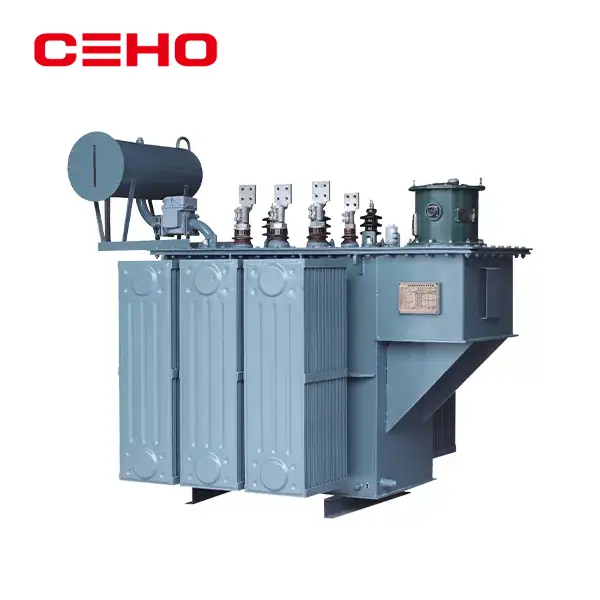
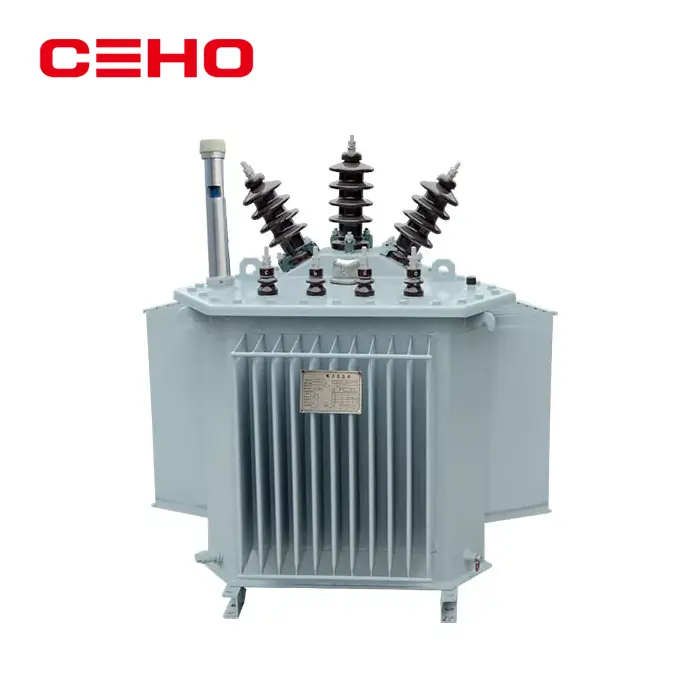
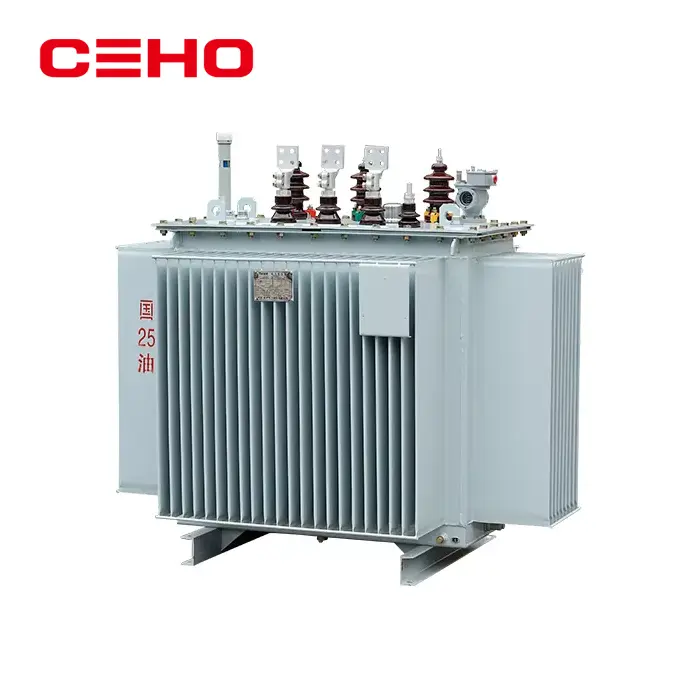
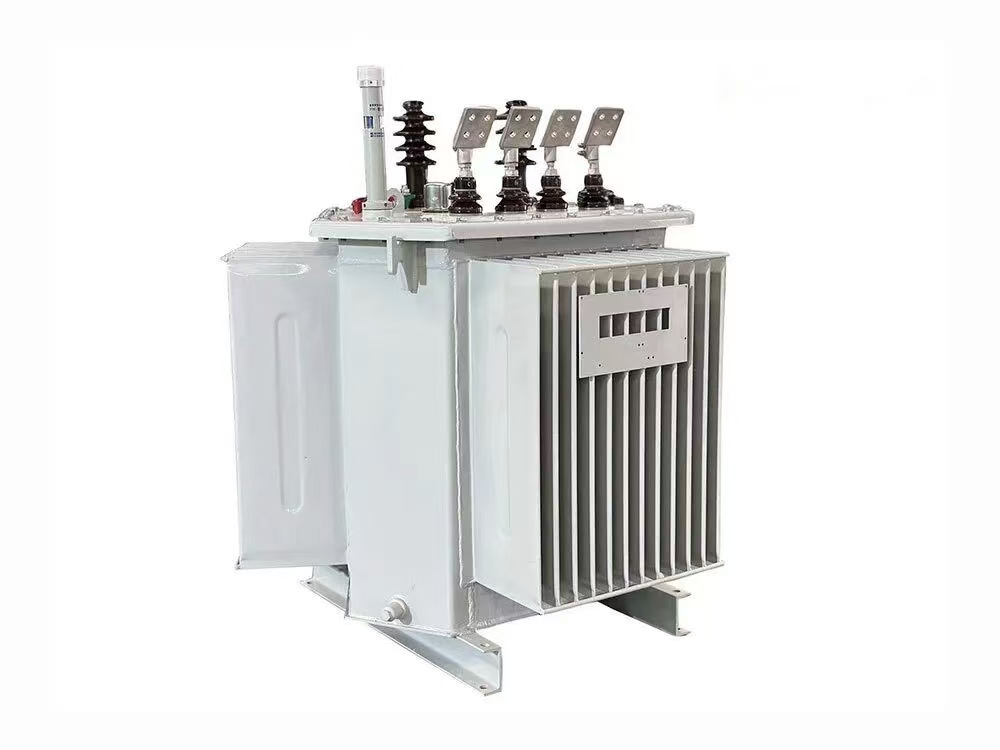
Traditional oil-immersed transformers use mineral insulating oil as the insulation and heat dissipation medium. This oil is a flammable liquid. Once it encounters overload, short circuit, insulation aging, etc., it can easily cause combustion, oil leakage, fire spread, and even explosion under high temperature and pressure. The fire is difficult to control quickly, and it will also cause oil pollution and site damage.


Dry-type transformers completely abandon the "oil medium" and use epoxy resin casting and solid insulation materials (such as Nomex insulating paper, epoxy resin) as the insulation system. They do not contain any flammable liquids, eliminating the risks of "oil leakage, flammability, and combustion-supporting" from the root. Even if an extreme electrical fault occurs, there will be no flammable leakage or the spread of fire. This is the core safety advantage of dry-type transformers.


2. Fire-proof and flame-retardant: non-flammable, non-explosive and non-spreading under fault conditions

The essence of safety is "not causing secondary disasters when a failure occurs."

The epoxy resin cast winding of the dry-type transformer has excellent flame retardant and self-extinguishing properties and meets the F1 level flame retardant requirements of the national fire protection regulations. It has no toxic smoke and no molten droplets when burning, and will automatically extinguish immediately after leaving the fire source.


In contrast, in the event of a short circuit or overheating failure in an oil-immersed transformer, the thermal decomposition of the insulating oil will produce flammable gas, which is prone to deflagration. The flame will spread along the oil body, posing a fatal threat to peripheral equipment, building structures, and personnel safety. In high-rise buildings, underground spaces, and crowded places, once an oil fire occurs, it will be difficult to evacuate and put out the fire. Dry-type transformers are designed to avoid this fatal risk.


3. Applicable scenarios: The more “special” it is, the more it can reflect the value of dry safety

Under the same power, the safety of dry-type transformers allows them to enter high-risk scenarios that oil-immersed transformers must not enter:

  • Underground distribution rooms, subways, tunnels: no risk of oil leakage, no pollution to the underground environment, and no fire hazards;
  • Shopping malls, hospitals, schools, office buildings: densely populated with extremely high fire protection requirements to eliminate the risk of explosion;
  • High-rise residences and data centers: close to loads and people, with higher security redundancy;
  • Chemical industry and clean workshop: no oil pollution, resistant to moisture and dust, and failure will not cause chain accidents.

Oil-immersed transformers are only suitable for outdoor, open spaces and places far away from crowds, while dry-type transformers can be installed indoors and supply power at close range. They are both safe and can reduce line losses, and are both safe and practical.


4. Operation safety: no oil leakage, no maintenance, low risk hidden dangers

In the long-term operation of oil-immersed transformers, there are problems such as oil leakage, oil leakage, oil level drop, and insulating oil aging. Not only does it require regular testing and replacement of insulating oil, but the drop in oil quality also leads to a reduction in insulation performance and increases the probability of failure.


Dry-type transformers are fully sealed and have a solid insulation structure. There is no oil to leak, no need to add oil, and no need to monitor oil levels. There will be no safety hazards caused by dielectric loss during operation. They are also resistant to moisture, dust, and dirt. Even in harsh environments, the insulation performance can be stable for a long time, greatly reducing operation and maintenance risks and safety accident rates.


5. It is not the power that determines safety, but the structure that determines the bottom line.

Many people mistakenly believe that "the same power means the same safety." This is a core misunderstanding.

The safety of the transformer has nothing to do with power, but is directly related to the insulation medium and structural design.

Under the same power, dry-type transformers abandon the low-cost oil medium and use high flame-retardant solid insulation. The essence is to replace the traditional heat dissipation method with higher safety standards to achieve "the same power supply capacity and a jump in safety level."


Conclusion

For the same power output, dry-type transformers are safer than oil-immersed transformers—not because they are more powerful, but because they have higher safety thresholds: oil-free and non-combustible, flame-retardant and self-extinguishing, leak-free, and suitable for high-risk scenarios such as densely populated areas, indoor spaces, and underground environments, effectively eliminating secondary hazards like fires, explosions, and pollution at the source.


For facilities with stringent safety requirements, opting for dry-type transformers is not about incurring higher costs but rather about trading costs for safety and using technology to mitigate risks—this is the genuine reason why it has become the "safety-first" choice in modern power distribution systems.


Gerelateerd nieuws
Laat een bericht achter
X
We gebruiken cookies om u een betere browse-ervaring te bieden, het siteverkeer te analyseren en de inhoud te personaliseren. Door deze site te gebruiken, gaat u akkoord met ons gebruik van cookies. Privacybeleid
AfwijzenAccepteren